How I Chose a Blogging Platform — and What Beginners Should Think About First
I share how I chose my blogging platform after trying Blogger, WordPress, Medium, and Jekyll—and what beginners should think about before making the same decision.
The excitement before reality hits
When I decided to start this blog, I was already overwhelmed by the number of options in front of me and honestly didn’t know which one to choose. As a beginner in my early days I have explored all platforms, I kept running into endless configuration steps and settings that needed attention before I could even think about writing.
While exploring different setups, I came across a site that instantly caught my attention. It felt clean, fast, and very different from the usual blogging platforms I had seen. At that moment, I felt confident that if I were to build my next website, it would be using a setup like this.
As a developer, that sense of control gave me a lot of confidence — maybe a little too much. I genuinely believed it would be a piece of cake. I thought I’d have the site ready in ten days, start hosting it, and slowly begin earning from it.
That confidence didn’t last very long
Once I started digging deeper, I realized it wasn’t a piece of cake at all. There were so many things I needed to work on, and the first big decision was choosing a theme. I went on what I thought would be a quick search for the best theme available, but honestly, it wasn’t a one-day job. I spent several weeks just looking at themes.
Even after shortlisting one, I kept running iterations in my head. Would this theme work for a blogging niche? What if I later wanted to write about fashion? Could it be adapted for something like health tips? Every time a new doubt came up, I’d go back and search for more options. Eventually, after a lot of back and forth, I finally settled on a theme.
And that’s when I realized something important — finishing one big task doesn’t mean you’re done. As soon as the theme was finalized, there were more decisions waiting: niche, domain name, design choices, and more. In fact, choosing a domain took even more time than selecting the theme. Just when I thought I was making progress, another decision would show up.
This is where platform choice quietly controls everything
What I did not realize at that time was that the decisions we make during the initial phase quietly pave the way for the future. The theme I chose, site structure, sticking to one niche or a wider range of niches, and even future ideas — all of these were tied to each other.
Switching a platform after you have already built everything costs more than just money. It costs time and mental energy. You need to rebuild, rework, and restructure almost everything you have already put effort into. At that point, it starts to feel less like an upgrade and more like starting over.
The platforms I actually looked at
If you’re still at the very beginning and want a full walkthrough before deciding on tools, you may want to start with my guide on how to create a blog from scratch.
WordPress — powerful, but opinionated
After that realization, I started looking seriously at a few platforms. WordPress was the obvious one — it’s what almost every blogger on the internet suggests and recommends. I spent time understanding what WordPress actually is, how it works, and what you can realistically build with it. I’ve also written a more detailed breakdown in my beginner-friendly post on how WordPress actually works for new bloggers.
The more I explored, the more curious I became. The ecosystem is massive. Themes, features, plugins — everything you could think of for writing, SEO optimization, performance, and growth already exists. From a pure blogging point of view, it made complete sense why so many people choose WordPress.
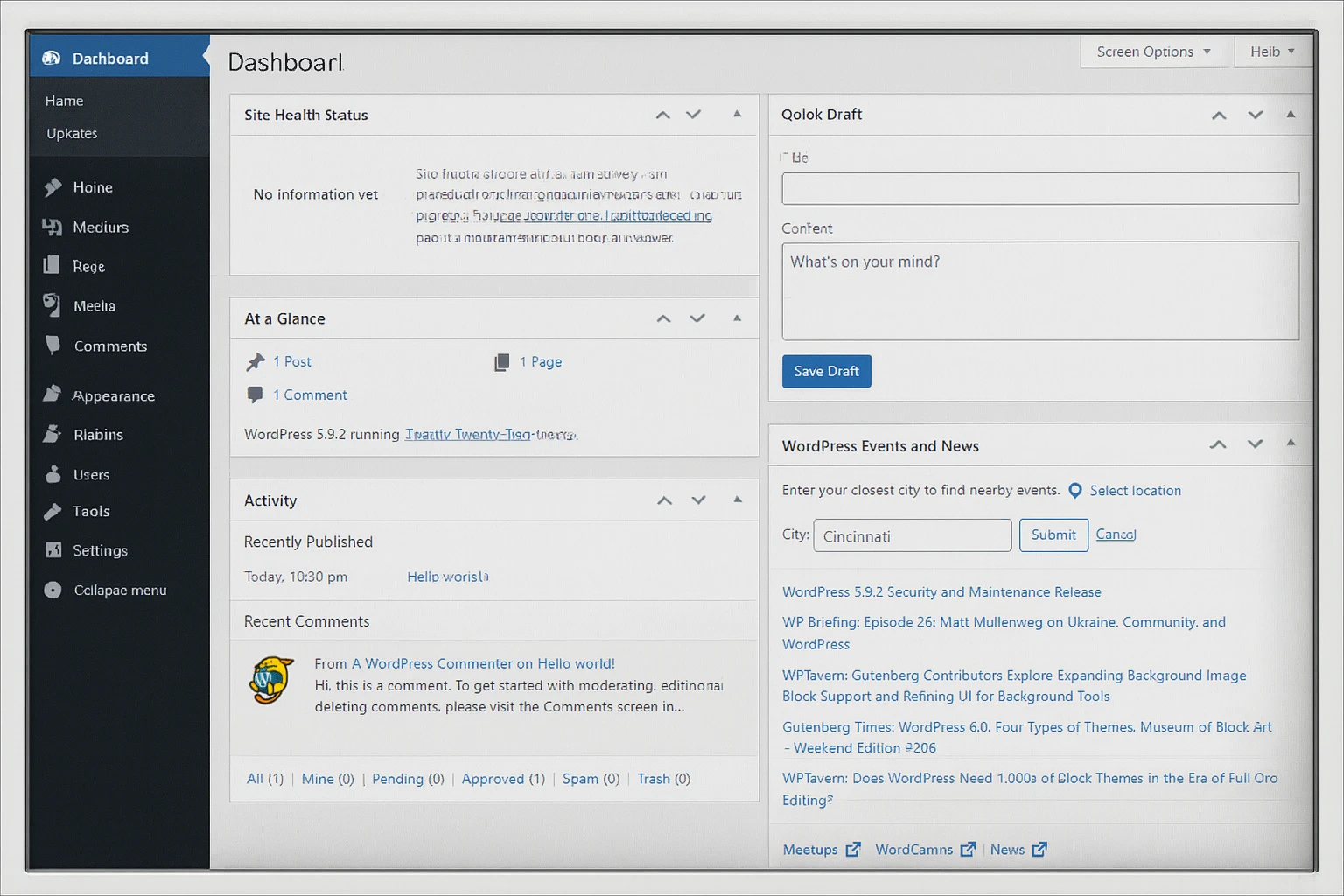
But there was one thing that kept bothering me. My developer mindset started kicking in. I wanted full control. I kept asking myself why I should rely on plugins for everything when I could build many of those things myself. Most free plugins worked well up to a point, but the moment you wanted more flexibility or advanced functionality, premium plugins became unavoidable. That trade-off sat with me longer than I expected.
Medium — beautiful, simple, but not mine
Medium also looked very appealing to me at first. You don’t have to build anything at all — you simply sign up and start writing your mind out. If you already have content, or if you’re a professional writer, you can just pour everything into Medium and publish. Medium takes care of literally everything else. I’ve shared my broader thoughts on this in my overview of popular blogging platforms.
The interface is minimal, exactly what a writer needs. There’s no unnecessary clutter, no setup anxiety. Writing there almost feels meditative — like walking along a seashore where your only job is to keep moving forward. If your content is strong, it gets read, and you get paid. Simple.
But for me, it felt like I was writing for someone else. The posts I wrote didn’t really feel like mine because they were living in someone else’s house. I had no real control over them. And a question kept coming back to me — what if tomorrow I wanted to build an app, a tool, or something bigger and host it alongside the content I was writing? That lack of ownership made me pause.
Blogger — simple, but limiting
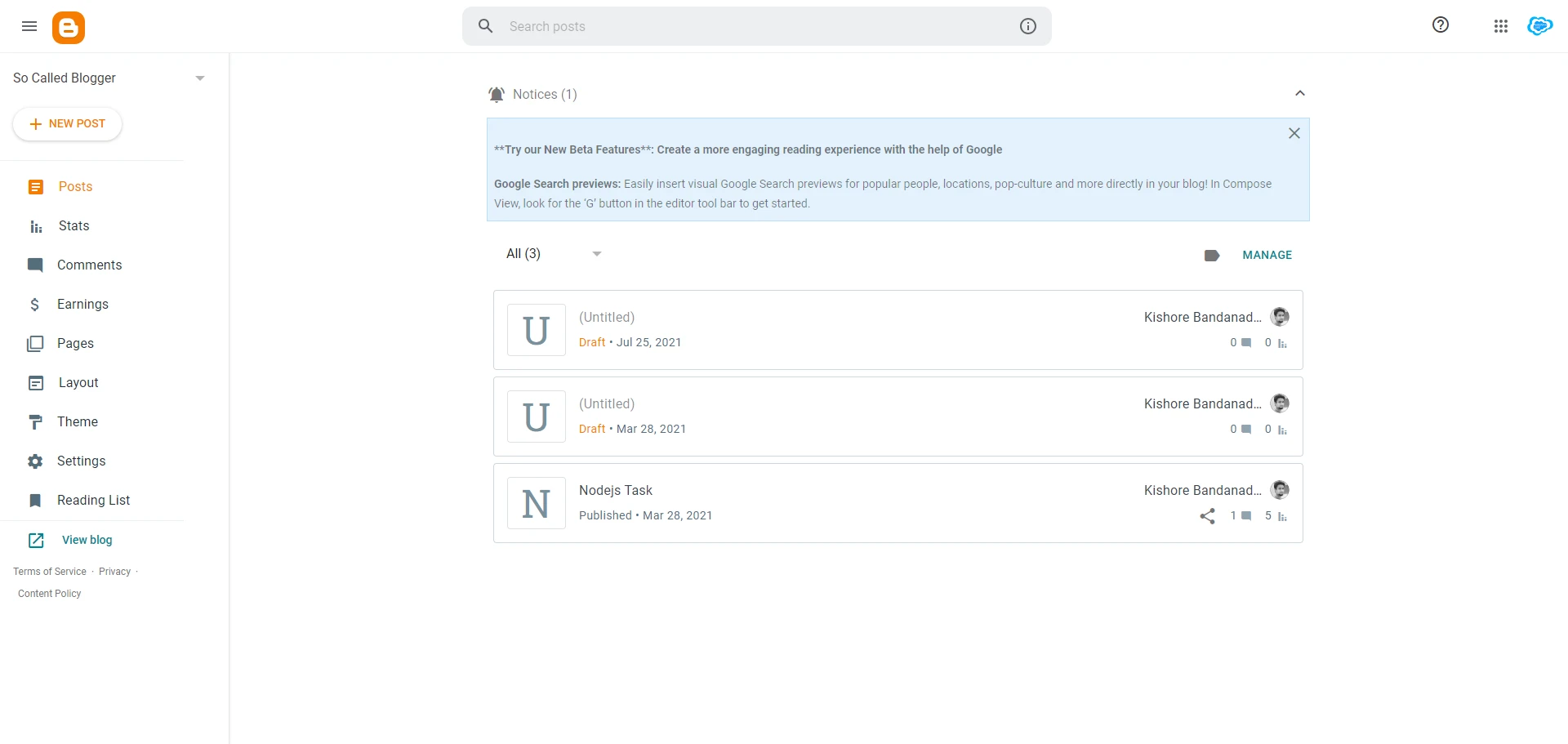
Blogger felt simple, but honestly, it wasn’t for me. It can do all the basic things needed to run a blog — from website hosting to content management — and for many people, that’s more than enough. If you’re evaluating tools at this stage, my post on how to choose a blogging platform may help you think through the decision.
The best way I can describe it is this: it felt like having a PAN card without a passport-size photo — just a piece of text saying “minor.” Technically valid, but missing a sense of ownership and identity. I didn’t feel like I was building something that could grow into more than just a basic blog.
Why a setup like Jekyll finally clicked for me
What I was really looking for was a platform where I could add anything I wanted and know it would just work. If tomorrow I wanted to add an automation, I didn’t want to be restricted by platform limitations. I wanted the freedom to shape the style, design, and structure of my website in a way that could scale over time.
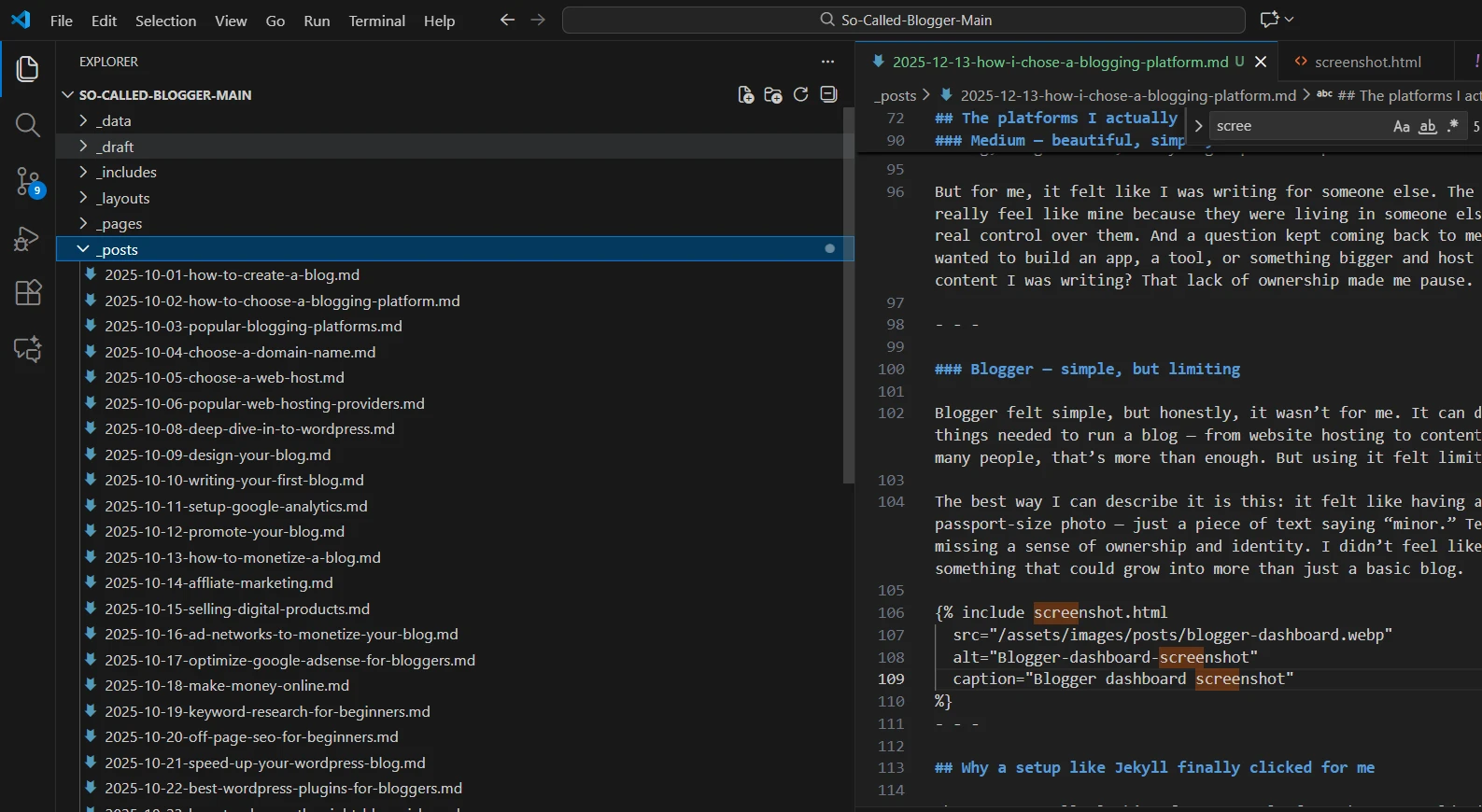
Yes, it involved a bit of HTML, CSS, and JavaScript to customize things — but not necessarily all the time. What made it click for me was that it ran on GitHub. Version control, change history, and management were built in by default. If I messed up a post or deleted something by mistake, I knew I could recover it easily.
From a developer’s point of view, it felt hard to ask for anything more. It aligned perfectly with my way of working.
“Okay… so should I use this too?”
The honest answer is simple: choose a platform based on what you need right now, not what looks impressive.
If you’re completely new and just want to experience blogging — to publish a website within minutes or a few hours and see your content live instantly — Blogger is a good place to start. It’s free, costs nothing, and gets your blog online quickly.
If you’re a professional writer and don’t want to spend your time building, scaling, or maintaining a website on your own, Medium makes sense. You can focus entirely on writing while the platform takes care of distribution and monetization.
If your goal is to have your own website, publish blog posts, and build something valuable over time — and you’re okay doing some initial setup — WordPress is a solid middle ground.
And if you have some coding experience, or you’re genuinely excited about learning, and you want full control over everything from font styles to larger design decisions, a setup like Jekyll can work very well — but only if you’re comfortable with the technical side.
A final thought for beginners
I still consider myself a beginner. I’ve explored different options, built sites on Blogger, WordPress, and Medium, and now I’m learning my way through Jekyll. But I don’t see any of this as a final stop.
Treat every step like it’s new. Stay open-minded. Platforms aren’t permanent — they evolve, pricing changes, features move around, and sometimes a “perfect” tool today becomes a headache tomorrow. Don’t be afraid that what you choose right now is forever.
Starting matters more than optimizing.
If you want to go deeper, I’ve written detailed, beginner-friendly posts on Blogger, WordPress, and Medium where I break down how they actually work, what to expect in the first few days, and the mistakes I personally made along the way. You can continue with writing your first blog post and later learn how to promote your blog the right way. You may also find my overview of popular blogging platforms helpful as you move forward. You can continue with writing your first blog post and later learn how to promote your blog. You can start with my guides on popular blogging platforms, writing your first blog post, and promoting your blog the right way.
I’ll keep sharing what I learn — including the mistakes — so that if you’re just getting started, you can move faster and avoid a few of the traps I fell into.
Frequently Asked Questions
Which blogging platform is best for beginners?
There isn’t a single best answer for everyone. If you want to get something online quickly and understand how blogging works, Blogger is a simple place to start. If you want your own website and more flexibility without heavy technical work, WordPress is usually a better long-term option.
Can I change my blogging platform later?
Yes, and many bloggers do. While switching platforms later takes time and effort, it’s completely possible. Choosing a platform now doesn’t lock you in forever, so it’s better to start than to wait for the “perfect” choice.
Is Jekyll a good choice for beginners?
Jekyll can work well if you already have some coding experience or enjoy learning technical tools. For most beginners, it adds unnecessary complexity and can slow down momentum in the early stages.
Is Medium good if I want to make money from blogging?
Medium can work if you’re focused on writing and audience reach, but you don’t fully control your content or platform. If ownership, customization, or building something beyond writing matters to you, having your own website may be a better option.
What should I focus on when starting a blog?
Focus on starting and publishing consistently rather than optimizing everything upfront. Platforms, designs, and tools can change later. Getting comfortable with writing and publishing is more important in the beginning.